Which book’s world would be the absolute worst to live in?

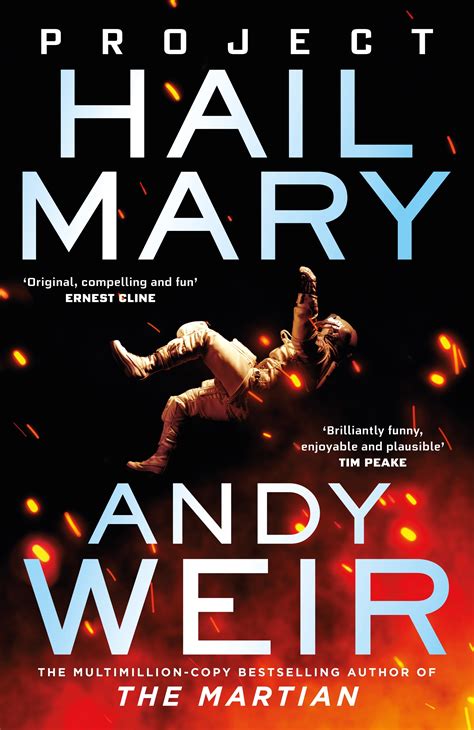
I took my time with Project Hail Mary. Written by the author of The Martian, the book was 2021’s most anticipated sci-fi read. That year, I finished the book during the Covid lockdown. In March, it was released as a blockbuster film with Ryan Gosling. The picture received universal acclaim and was a box office hit.
Fiction has other desolate universes but stranded in space on a Martian mission takes the cake. With no human company, the protagonist contends with an extraterrestrial who habla no Ingles (speaks no English). That’s a bad nosebleed.
‘Inferno’s’
It’s a different kind of limbo in zero gravity. No Korean barbecue, stand-up comedy, NBA, or friends. No beach getaways and interstate trips. Just infinite nothingness and oodles of time. On solid ground, the latter is finitely measured: seconds, minutes, and hours. Days, months, and years. In space, the vastness is a blank canvas. A continuum, time stands still. The past, present, and future do not matter.
You can make the argument that wandering the Sahara is just as crushing. It will leave you dehydrated, delirious, and even hopeless. However, even on the darkest days, you will grasp that the challenge will abate. The quick sand will give way to towns and the searing sun will be replaced by chilly nights. There is hope as long as you’re on terra firma.

No books or Netflix. No bread or butter. No malls or arenas. symphony or cinemas. Everything that makes us human is gone. That’s worse than living on an inhospitable island. At least there you get fresh air, gravity, saltwater, and sand.
El ultimo hombre (The last man)
To survive, you have to be resourceful and improvise. On earth you can coast, cut corners, and work together with others. If you’re successful or powerful, you can delegate those tasks. In space, you have to work harder. There are no servants.
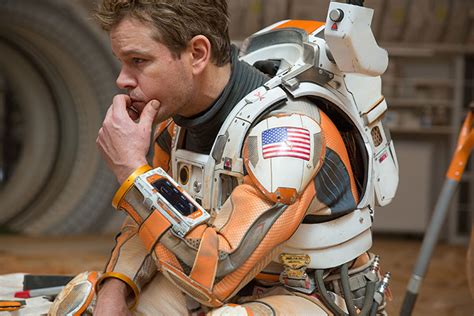
One other thing: you’re confined to a space suit. Looking at those actors, it’s uncomfortable. You have no choice. If you get out of the suit, you’ll conk out.
You can make the argument that wandering the Sahara is just as crushing. It will leave you dehydrated, delirious, spent, and even hopeless. However, even on the darkest days, you will grasp that the challenge will abate. The quick sand will give way to towns and oases. The searing sun will be replaced by chilly nights. There is hope as long as you’re on terra firma.
Tent poles
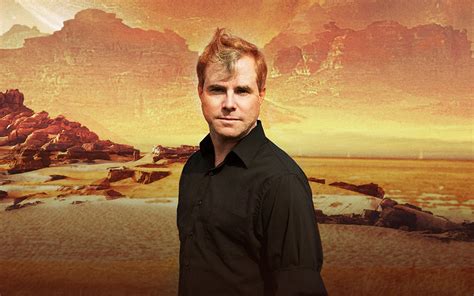
Weir, the scribbler, entered the scene with The Martian, which was made into a Hollywood tent pole. This time, the world is under threat and has decades left. The sun is losing its lustre, spelling doom for our planet. Ryland Grace, a science teacher, is recruited by Stratt. The latter oversees the international rescue mission.
Grace’s expertise on the offending substance – astrophage – is maximised. He attends important board meetings and goes aboard aircraft carriers. He works with the world’s finest scientist in analysing the astrophage. Top nations would throw everything at a mission that would extend our globe’s expiry date.
Out of the way
At the onset, he wakes up after years in a coma. His two fellow travellers are corpses beside him, unable to surpass the ‘furlough’. Slowly but surely, memories come flooding back to him. For much of the book, we alternate between a desperate past and hopeful present.
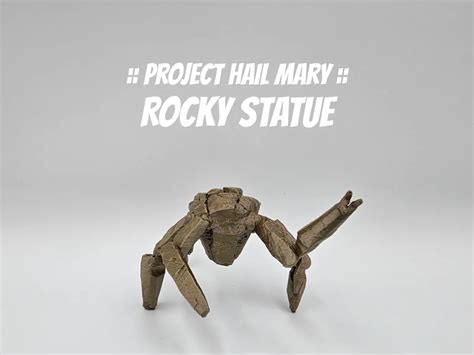
He contacts an alien, Rocky, from the planet Erid. He is Blip-A’s lone survivor, a high-tech ship. Their species are intelligent and live in xenonite. Their atmosphere, a lot denser than ours, and they have five legs. Theirs is a different conception of time, sleep, and food. For instance, Eridians like to repeat words three times when they’re happy or for emphasis. They have the creepy habit of watching their companion sleep. However, Grace manages to communicate with Rocky through wizard technology.
‘Two heads are better than one’
Grace realises that they want the same thing. Astrophage in their suns has threatened life on their planets. Though having differences, they join forces. Rocky is a highly skilled engineer who can make and fix practically anything. When the taumoeba eats all the fuel, Rocky’s mad skills come to the rescue. His surfeit of astrophage proves a game changer. Apart from bailing out Grace, he saves his life. Rocky is amazed at how technologically advanced earthlings are.
Meanwhile, Grace proves that he is up to the task. He goes on spacewalks, gathers samples, and makes decisions that would shape our world. When they go their separate ways, he must make a tough choice between his own desires and the fate of his friend and Erid. There are shades of The Martian in that Grace is the lone human ‘in a galaxy far, far away.’
Thirteen earth years is the two points’ distance. At 476 dense pages, this was not the lightest read. Certainly very original. Upon perusing, I am convinced that Weir knows his astronautics.
Rating: 4.1/5
Getting stranded in space and waking up years later? That’s similar to Passengers with Chris Pratt and Jennifer Lawrence. Unlike Project Mail Mary, that flick didn’t do well with critics. Weir’s masterclass was a number one bestseller. The movie was likewise numerous uno, grossing $80.5 M domestically in its opening week. It made $54.1 M in its second week, holding on to that number one spot. A killer novel and film adaptation? That’s a rarity.